- Home
- About Us
- Products
- Solution
- Accessories Service
- Technicial Service
- Additional Service
- News
- Contact Us
Leave Your Message
So, 2026 is shaping up to be another big year for home Gyms, right? And that means having goodWeight Lifting Mats is more important than ever for folks serious about their workouts. I was reading what Dr. Jane Thompson, a pretty well-known expert in fitness gear, mentioned — she said, “Quality mats create a safe and effective environment for weight training.” Pretty straightforward, but it hits the point home: picking the right mats really matters since not all of them give you the same kind of protection or support.
The right Weight Lifting Mats do pretty much everything you’d want — soak up impact, keep noise down, and stop your stuff from getting nicked or broken. The thing is, a lot of people tend to overlook things like how thick the mat should be or what it’s made of. Sometimes, they buy mats that slip when you’re lifting or just wear out way too fast, which can be a recipe for injuries. Honestly, it’s kinda sad how many focus more on how it looks rather than how well it works.
Spending a bit extra on good quality Weight Lifting Mats really pays off — it can totally upgrade your workout vibe. A solid mat makes you wanna stick to your routine and stay motivated. So, it’s worth taking the time to look into your options and really think about what you need. This small investment can make a huge difference in how your home gym feels and functions.
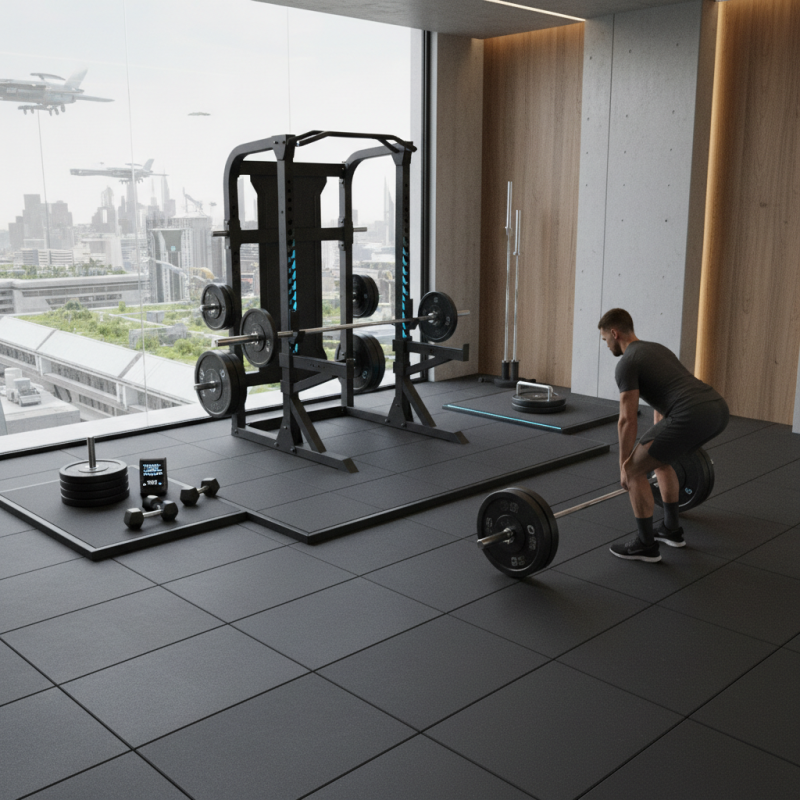
In 2026, selecting the right weight lifting mats for your home gym is crucial. The surfaces you choose will significantly impact your workout experience. Weight Lifting Floor Mats provide essential cushioning and grip. They help reduce the noise of dropped weights and protect your flooring from damage.
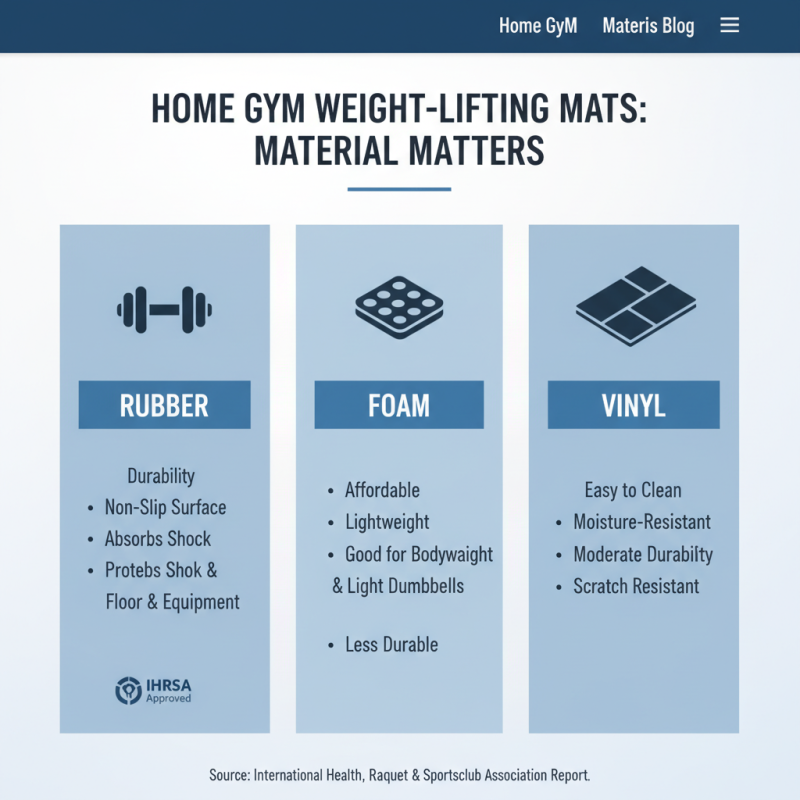
When choosing materials, look for options that are durable and easy to clean. Rubber Mats are popular for their shock absorption. However, they can retain odors over time, needing regular maintenance. The thickness of the mats also matters; thicker options offer better protection, but they may be more challenging to store or move around.
Color and design are often overlooked. Aesthetically pleasing mats may inspire you to train harder. Yet, personal preference varies, and practicality should come first. Weight Lifting Floor Mats should complement your home gym setup, not hinder it. Finding the right balance requires consideration. Reflect on your space and training habits before making a decision.
| Mat Type | Material | Thickness | Size | Weight Capacity | Price Range |
|---|---|---|---|---|---|
| Foam Mat | High-Density Foam | 1 inch | 4' x 6' | Up to 500 lbs | $60 - $80 |
| Rubber Mat | Recycled Rubber | 3/4 inch | 6' x 4' | Up to 1000 lbs | $100 - $150 |
| Carpet Mat | Nylon/Polyester | 1/2 inch | 4' x 8' | Up to 400 lbs | $30 - $50 |
| Vinyl Mat | PVC | 1 inch | 5' x 5' | Up to 600 lbs | $70 - $90 |
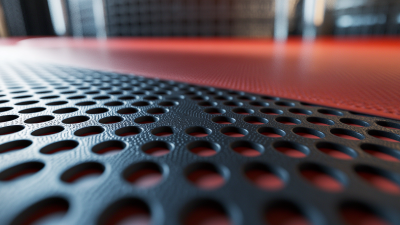
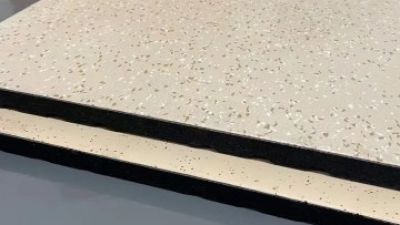
When it comes to designing an effective weight strength area in your gym, selecting the right flooring is crucial. Rubber Tile Max, with its innovative design, stands out as an excellent choice. The surface layer is made from 2mm of virgin rubber, while the underlying structure consists of a mix of 16 mesh rubber tire granules, expertly molded using high-temperature and high-pressure technology. This combination provides robust performance characteristics essential for free weight zones and high-impact workouts.
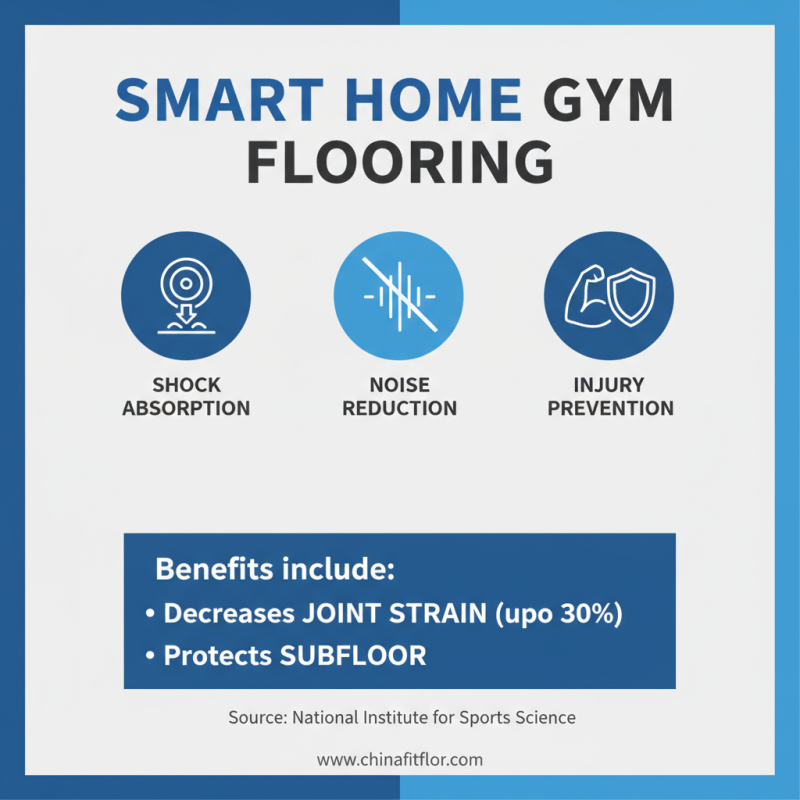
A core feature of Rubber Tile Max is its exceptional shock absorption and noise reduction capabilities. These qualities are vital; studies indicate that improper flooring can lead to increased noise levels, which may disrupt both workout sessions and overall gym ambiance. Effective gym flooring should minimize sound generated from dropped weights, thereby creating a more conducive environment for serious lifters. Moreover, the material's durability ensures it withstands heavy weights and repeated impacts without compromising its integrity. According to industry data, high-quality rubber flooring can reduce the risk of injury by 30% by providing the necessary support and traction.
Additionally, the design of Rubber Tile Max emphasizes friction properties, which enhance safety during workout sessions. A flooring surface that provides excellent grip prevents slips, contributing to a safer training environment. Research indicates that over 60% of gym-goers prefer facilities that prioritize safety, making it clear that the right flooring is a critical investment for any fitness area. By choosing Rubber Tile Max, gym owners can create a space that maximizes workout efficiency while minimizing risk, ultimately leading to higher member satisfaction and retention.
: Products can include health supplements, lifestyle gadgets, and personal care items.
Follow social media accounts, subscribe to newsletters, and visit official websites.
Yes, some products may not suit everyone. Research is essential before trying new items.
Consider reaching out for customer support. Sharing your feedback is also valuable.
Some products may have age guidelines. Always check the labels for recommendations.
Reviews can be helpful but may be biased. Look for patterns in feedback from different sources.
Generally, yes. Ensure the website has secure payment options and check reviews.
Always read ingredient lists carefully. If unsure, consult a healthcare professional beforehand.
Discounts can sometimes indicate lower quality. Evaluate the product thoroughly before purchase.
Use official channels like websites or customer support. Your insight is crucial for improvement.
In 2026, weight lifting mats have become an essential component for home gyms, providing safety, stability, and protection for both the floor and the equipment. When selecting the ideal weight lifting mats, important features to consider include thickness, durability, and slip resistance, which enhance user experience and safety during workouts.
The materials used in weight lifting mats vary, with options such as rubber and foam offering different benefits in terms of cushioning and shock absorption. Understanding the pros and cons of each material can help users make informed decisions based on their specific workout needs. Additionally, proper maintenance is crucial for ensuring the longevity of weight lifting mats, and being aware of the price range can help individuals find options that fit their budget while still offering quality and performance for their home gym setup.